
What kaizen is, why it suits perfumery so well, and how it applies to developing a bottle, a cap or a label.
Kaizen in Perfume Packaging: Getting a Little Better at Every Step
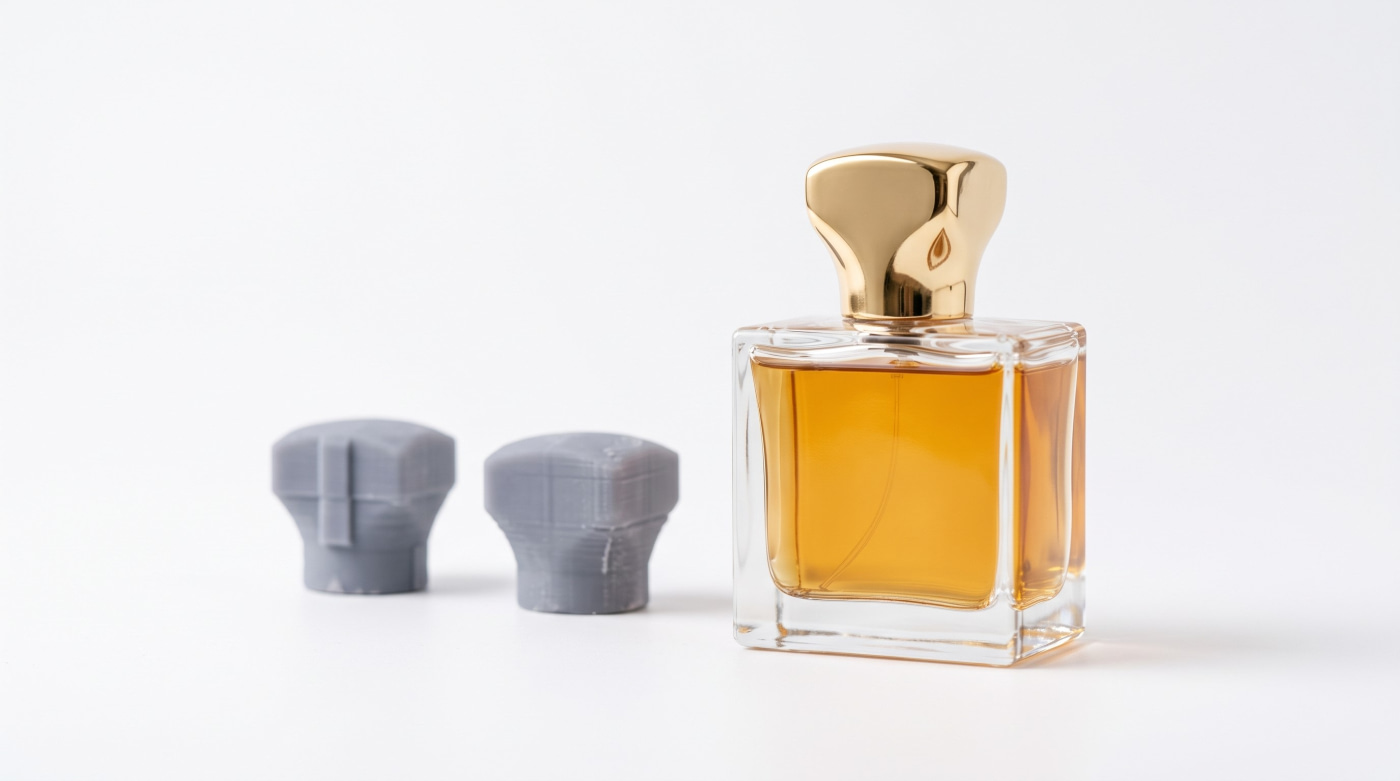
Some packaging projects get it right first time, but not many. More often, a good bottle, cap or label is the result of lots of small corrections: half a millimetre here, a finish there, an inner part reworked until it closes the way it should. Behind that way of working is a Japanese idea that industry has used for decades, and that fits perfumery particularly well: kaizen.
What is kaizen?
Kaizen is a Japanese word usually translated as "change for the better" or simply "improvement". In business it describes a philosophy of continuous improvement: rather than waiting for one big change, you aim to improve a little at a time, consistently, at every step of the process.
It became widely known in the West from the 1980s, largely through its role in the Toyota Production System and through Masaaki Imai's book, which introduced it outside Japan. It's closely linked to the PDCA cycle: plan, do, check, act. You try something, look at what happened, and adjust before the next round. The method itself isn't complicated. The hard part is keeping it up.
Why kaizen fits perfume packaging
A perfume pack is made of small parts that have to fit together with very little tolerance: the bottle neck with the pump, the pump with the insert, the insert with the cap, the label with the curve of the glass. A fraction of a millimetre out shows up when you close the cap, when you spray, or when you hold the bottle up to the light.
On top of that, every decision shapes the next one. The neck finish limits the pump options, the pump defines the space inside the cap, and the cap material affects which finishes are possible. With that many linked parts, expecting to get everything right in one go isn't realistic. What works is moving in short steps and checking each one before taking the next.
Kaizen in a real project: a custom cap
A custom perfume cap is a good example of this way of working, because each development stage is really one more round of improvement on the last.
The 2D drawing sets the basics: dimensions, shape, and fit with the neck and pump. The 3D model is used to check wall thickness and spot areas that will be hard to manufacture, and renders show how the cap looks on the bottle in different finishes. Changes cost very little at this point, so this is where it's worth doing the most rounds.
Next comes the prototype, usually 3D-printed, so you can hold the part and catch what a screen hides: a proportion that doesn't quite work, or a height that throws the whole pack off balance. Only once all that is settled is the mould made, which is the most expensive stage and the one that leaves least room for change.
First samples close the loop. They're tested fully assembled, on the actual bottle with the final pump, and anything that needs correcting is fixed before production. It's PDCA at its most practical: do, check, adjust.
The small adjustments that make the difference
Kaizen isn't about big redesigns; it's about details, and on a cap those details are very specific. The grip of the insert, which decides whether the cap sits firmly or wobbles on the pump. The weight, which changes the sense of quality the moment someone picks up the bottle. The sound and feel when it closes. Or the finish: matching a gold between a zamak cap and an aluminium pump, for example, doesn't always work first time, because they're different materials and different processes.
None of these adjustments looks like much on its own. Together, they're the difference between packaging that's fine and packaging that feels cared for.
Improving before the project even starts
Continuous improvement doesn't begin when an order is signed. It also applies to how each proposal is prepared: understanding more clearly what the brand needs, coming back with a more relevant reference, suggesting a material nobody had considered, or finding a way to shorten a lead time.
When a relationship with a brand builds over months or years, every contact is a chance to show up a bit better than the time before. Sometimes the project takes a while to arrive. When it does, all that groundwork shows.
Improving from one project to the next
What you learn on one project doesn't stay there. A fix that worked for an insert, a finish that performed well on a particular material, a fit issue caught in time: each becomes the starting point for the next job. Over the years, that build-up of small improvements is what lets you anticipate problems, suggest alternatives with good judgement, and work faster.
A way of working more than a method
In perfumery, the end result is judged in seconds: picking up the bottle, taking off the cap, the first spray. Getting those seconds right takes a long series of small decisions made carefully, one after another.
If you're developing a pack and want to work on it this way, piece by piece, you can tell us about your project through our contact form.