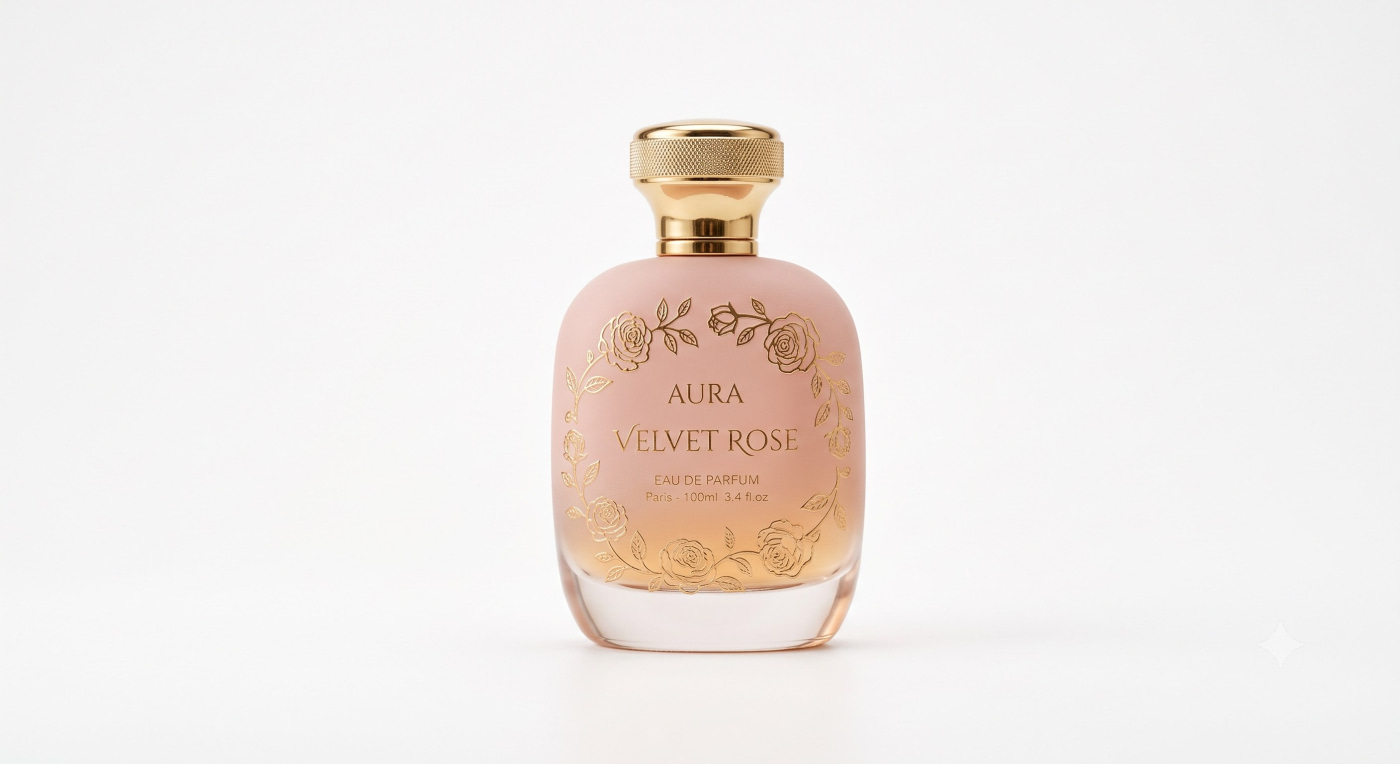

Logo printing on perfume caps: techniques, materials and strategic decisions in perfume packaging

In perfume packaging, a logo is never just a logo.
It is brand positioning.
It is perceived quality.
It is the final tactile contact between the consumer and the fragrance.
In fact, the perfume cap is often the last element touched — and one of the most remembered.
When developing a custom perfume cap, logo printing is not a technical afterthought. It is a strategic branding decision that directly impacts how a fragrance is perceived in the market.
At Ataviance, we work with full-set perfume packaging (glass bottle + pump + cap), and logo marking on the cap is one of the most delicate and defining stages of the process.
In this article, we break down the main logo printing techniques for perfume caps, how different materials react, and how to choose the right solution for premium fragrance packaging.
Why logo printing on perfume caps matters in luxury packaging
In the fragrance industry, packaging is not secondary to the product. It is part of the product.
Consumers associate:
• Sharp logo definition with quality
• Metallic finishes with luxury
• Durability with brand credibility
• Subtle engraving with refinement
A poorly executed logo can downgrade a premium fragrance.
A well-integrated logo can elevate the entire perception of the brand.
This is why choosing the right logo printing technique for perfume caps is crucial.
Main logo printing techniques for perfume caps
There is no universal solution. The best technique depends on:
• Cap material (zamak, aluminum, polymer…)
• Surface finish
• Brand positioning
• Budget and production volume
• Desired visual impact
Below are the three most commonly used techniques in custom perfume cap manufacturing.
1. Screen printing on perfume caps
Screen printing (serigraphy) is one of the most widely used techniques in cosmetic and perfume packaging.
It is ideal for:
• Clean logos
• Solid colors
• Flat or slightly curved surfaces
• Medium to large production runs
Advantages of screen printing
• Excellent cost-impact ratio
• Good color accuracy
• Reliable and repeatable results
• Suitable for brand consistency across components
Screen printing works particularly well when the logo needs to match the bottle decoration or secondary packaging.
However, durability depends on the material and protective finishing. For premium fragrances, proper testing is essential to guarantee long-term resistance.
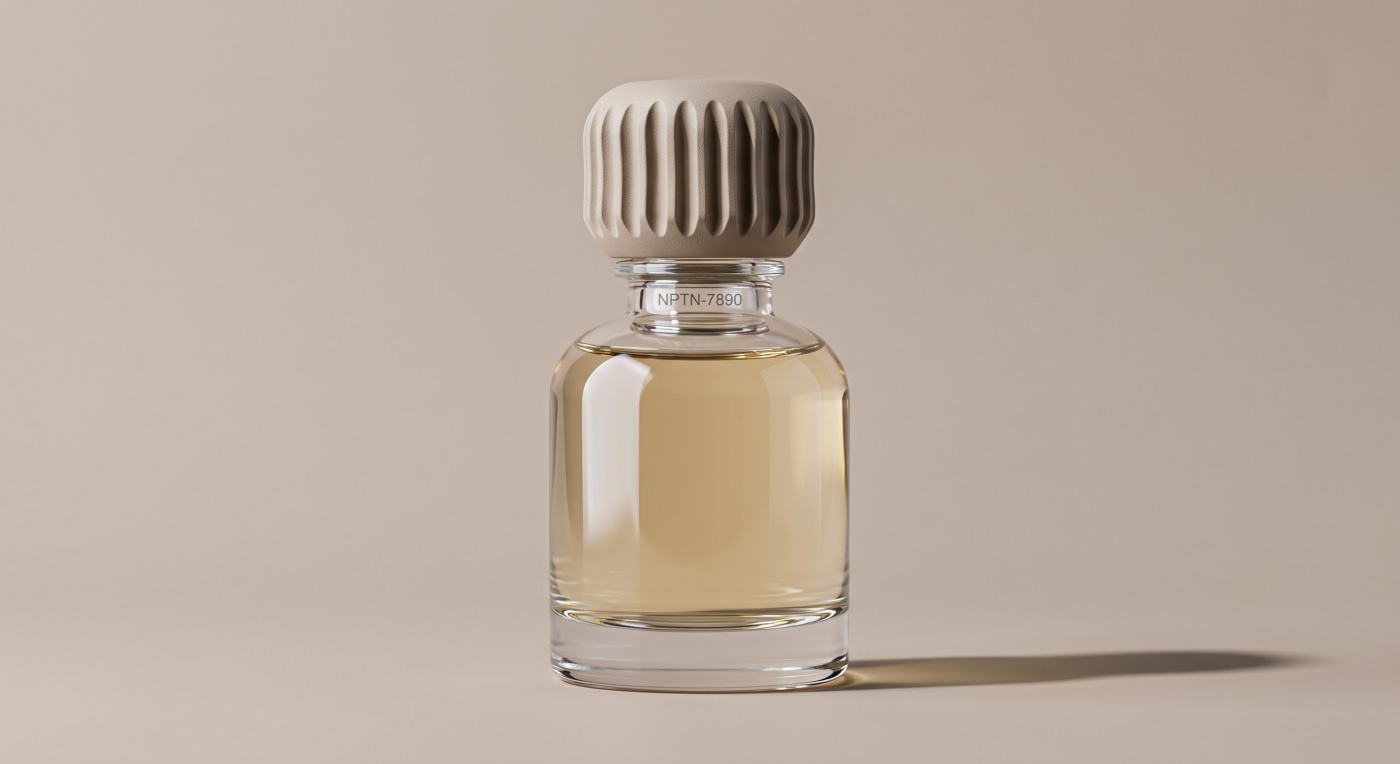
2. Laser engraving on perfume caps
Laser engraving is increasingly popular in premium and niche perfume packaging.
Unlike ink-based techniques, laser marking:
• Does not use pigments
• Does not wear off easily
• Offers extremely high precision
• Creates a subtle and elegant finish
When to choose laser engraving
Laser works exceptionally well on:
• Aluminum perfume caps
• Zamak caps
• Metalized surfaces
It creates a refined, understated effect that aligns perfectly with minimalistic luxury brands.
If your fragrance positioning is timeless, clean and sophisticated, laser engraving offers permanence and discretion without sacrificing impact.
3. Hot stamping on perfume packaging
If the objective is strong visual presence, hot stamping delivers immediate impact.
This technique allows:
• Metallic finishes (gold, silver, copper)
• High-gloss effects
• Special foil applications
Why hot stamping enhances luxury perception
Metallic accents naturally communicate:
• Premium positioning
• Exclusivity
• Limited edition appeal
• High-end retail value
Hot stamping is frequently used in luxury perfume launches and collectible editions where visual impact is a key selling factor.
However, it requires precise control of:
• Temperature
• Pressure
• Material compatibility
Without technical expertise, results can vary significantly.
How cap materials influence logo printing results
One of the biggest mistakes in perfume packaging development is choosing a logo technique before understanding the material.
Not all materials behave the same way.
Zamak perfume caps
• Heavy, premium feel
• Excellent for laser engraving
• Strong luxury positioning
Aluminum perfume caps
• Lightweight but premium
• Perfect for laser marking
• Works well with hot stamping
Polymer perfume caps
• More cost-efficient
• Compatible with screen printing and hot stamping
• Requires careful surface treatment
Each material affects:
• Adhesion
• Definition
• Durability
• Visual depth
That is why logo marking cannot be separated from material selection.
From “adding a logo” to building brand identity
In perfume packaging development, the difference between average and exceptional lies in integration.
Logo printing must be aligned with:
• Bottle design
• Pump finish
• Cap weight and texture
• Overall brand storytelling
At Ataviance, we approach perfume packaging as a complete system — not as isolated components.
The cap, bottle and pump are developed together.
The logo is integrated, not applied as an afterthought.
Because in the fragrance industry, packaging is a strategic brand asset.
Choosing the right logo technique for your perfume cap
If you are developing a custom perfume packaging project, ask yourself:
• Is my brand minimalistic or expressive?
• Do I want subtle elegance or strong visual impact?
• What is the expected production volume?
• What material best supports my positioning?
• How important is long-term durability?
There is no “best” technique.
There is only the right solution for your brand.
Final thought: details define perception
In luxury perfume packaging, details are not decorative. They are structural to brand perception.
The logo on a perfume cap may seem small.
But it carries weight — visually and symbolically.
When executed strategically, it reinforces:
• Brand recognition
• Premium positioning
• Consumer memory
• Emotional value
Because in perfumery, the logo is not simply printed.
It is crafted.