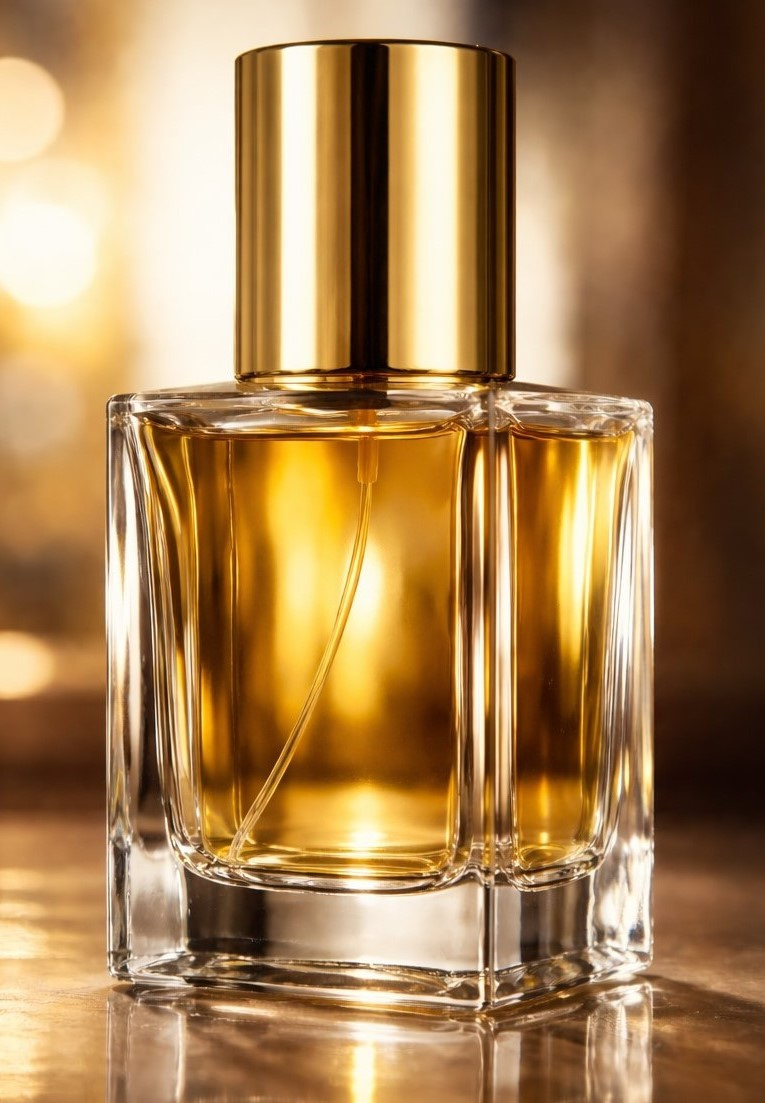

Why the perfect perfume cap is never “searched for” — And what that means for your packaging projects
In the world of perfume packaging, the cap is one of the most visible, tactile, and emotionally charged components of the entire product. It defines first impressions, communicates brand positioning, and often becomes the most recognizable element of the bottle silhouette.
And yet, when a brand begins a new project, the way the cap is usually selected follows a predictable — and problematic — pattern.
The process almost always starts with a visual reference. A beautiful cap. A striking design. An inspiring sample. And then comes the reality check: “This doesn’t fit the budget.”
This situation repeats itself in project after project across the fragrance industry. Not because brands lack creativity, and not because suppliers lack options, but because the cap selection process often begins in the wrong direction.
Instead of starting from feasibility, cost, and compatibility with the full packaging set, the process starts from aesthetics alone.
At Ataviance, this recurring pattern has led to a very different way of approaching cap selection — one that transforms it from a bottleneck into a value-adding part of the proposal.
Let’s explore why the “perfect cap” is rarely something that can be found by searching, and how changing the order of the process changes the outcome.
The hidden problem in how perfume caps are chosen
When a brand, creative agency, or packaging buyer starts looking for a cap, the first instinct is to search visually:
• Pinterest boards
• Reference brands
• Trade fair photos
• Previous launches
• Supplier catalogues
This visual-first approach creates a mental target that may be:
• Too expensive to industrialize
• Incompatible with the pump and bottle neck
• Difficult to customize
• Based on materials that don’t scale well
• Designed for volumes very different from the project’s needs
What happens next is familiar to anyone in perfume packaging:
1. The team falls in love with a design.
2. They ask for a quotation.
3. The price is far from the target.
4. The search starts again.
This loop costs time, energy, and credibility during client presentations. More importantly, it delays the development of the full packaging set, because the cap is deeply linked to the pump, bottle neck, and overall technical feasibility.
Why caps are more complex than they appear
From the outside, a cap looks simple. From a technical and industrial perspective, it is not.
A cap interacts with:
• The pump collar and actuator height
• The bottle neck finish and tolerances
• The material compatibility (plastic, wood, metal, zamak, surlyn, etc.)
• Decoration processes (anodizing, painting, metallization, embossing, hot stamping)
• Weight and balance of the final bottle
• Shipping resistance and assembly processes
This means that choosing a cap in isolation is rarely effective. The cap is not a decorative accessory — it is a structural element of the packaging set.
That’s why starting with a random design reference often leads to frustration.
The reverse approach: Starting from the result
A more efficient method begins not with what the cap looks like, but with what the cap must achieve.
Instead of asking:
“Do you have something that looks like this?”
The more powerful questions are:
• What is the target price for the cap?
• What style or design direction is the brand looking for?
These two inputs — price and style — are enough to filter thousands of potential options into a curated selection that is:
• Feasible
• Industrializable
• Compatible
• Presentable to the client
• Within budget
This is where the process changes dramatically.
Turning cap selection into a service, not a search
In many perfume packaging projects, cap sourcing is treated as a time-consuming search. But it can be transformed into a fast, structured proposal step that adds value to the client relationship.
With access to large, pre-engineered catalogues of existing models, it is possible to select caps not based on inspiration, but based on compatibility with the project brief.
Within a short time frame, digital proposals can be prepared showing:
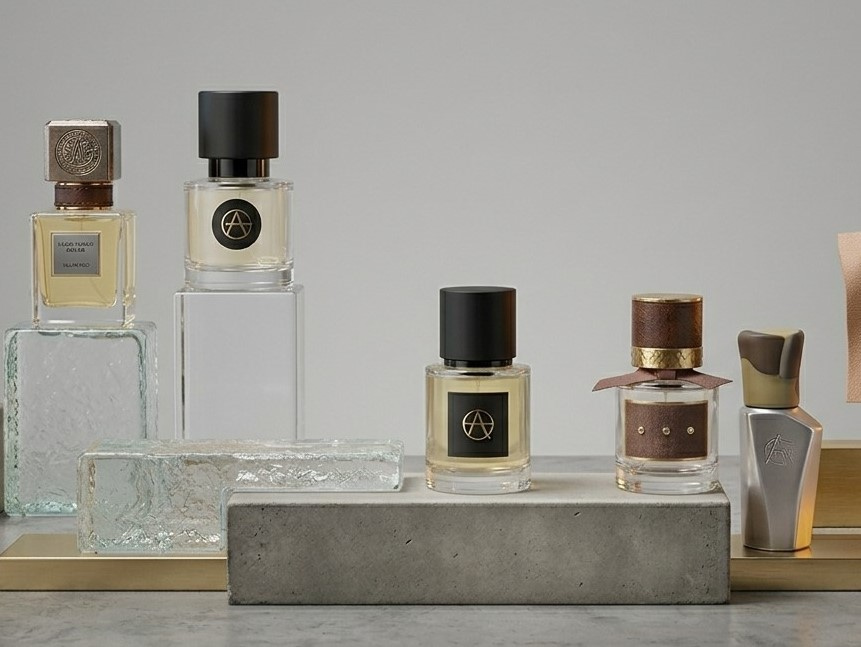
• Realistic cap options
• Different material directions
• Finishing possibilities
• Aesthetic families aligned with the brand style
• All within the defined price target
What used to be a back-and-forth process becomes a confident presentation to the client.
Why this matters for agencies, brands, and packaging buyers
For creative agencies, this approach avoids designing around a cap that later proves impossible.
For brands, it prevents disappointment between concept and quotation.
For packaging buyers, it saves weeks of exchanges with multiple suppliers trying to adapt designs that were never realistic in the first place.
Most importantly, it allows the cap to strengthen the overall packaging proposal rather than delay it.
From 1,000+ Models to 5 relevant options
One of the paradoxes of perfume packaging is that there are thousands of cap models available in the market — but finding the right one for a specific project feels incredibly difficult.
This happens because abundance without filtering is overwhelming.
When selection is done based on:
• Budget
• Style direction
• Compatibility with the full set
The universe of possibilities narrows very quickly to a handful of relevant options.
And those options are ready to be shown to the client, not just discussed internally.
How this impacts the full packaging development
When the cap is chosen early with realistic parameters, the rest of the packaging development accelerates:
• The pump selection becomes easier
• The bottle neck can be defined correctly
• 3D renders are more accurate
• Mockups are more representative of the final product
• Mold development can start without late changes
In other words, reversing the cap selection logic improves the entire project timeline.
The cap as a competitive advantage in your proposal
Many suppliers treat the cap as a standard component. But when approached correctly, the cap becomes one of the strongest arguments in a packaging proposal.
Being able to present a client with:
• Several cap options
• All aligned with their style
• All within their budget
• All technically compatible
Positions you not as a supplier, but as a solution provider.
What used to be a headache becomes a strength.
Why the “Perfect cap” Is never found by searching
The key insight is this:
The perfect cap is not something that exists waiting to be discovered through searching.
It is something that is selected intelligently from existing possibilities, based on the right criteria from the start.
The difference is subtle, but the impact is huge.
Searching is visual and emotional.
Selecting is strategic and technical.
And in perfume packaging, selection wins every time.
A new way to think about cap sourcing
The next time a perfume project begins, instead of starting with visual references, try starting with:
• Target cap price
• Desired style direction
From there, the right caps appear quickly — not as dreams that don’t fit the budget, but as realistic options ready to move into development.
This shift in mindset doesn’t just improve cap sourcing.
It improves the entire perfume packaging project.